How I Straightened My Crooked Toes in Just Two Weeks — Without Surgery

Hi everyone,
Today I want to share how I managed to fix my painfully bent toes — after years of being told my only option was surgery. I went down that road once. The recovery nearly broke me. And six months later, the problem came back anyway.
But then I found something much simpler. Something my own podiatrist never mentioned.
If you've been dealing with the same issue — hammer toes, crooked toes, that second toe that's started crossing over your big toe — I want to walk you through the mistakes I made, and show you what actually worked.
Let's get into it.
What Are Hammer Toes?
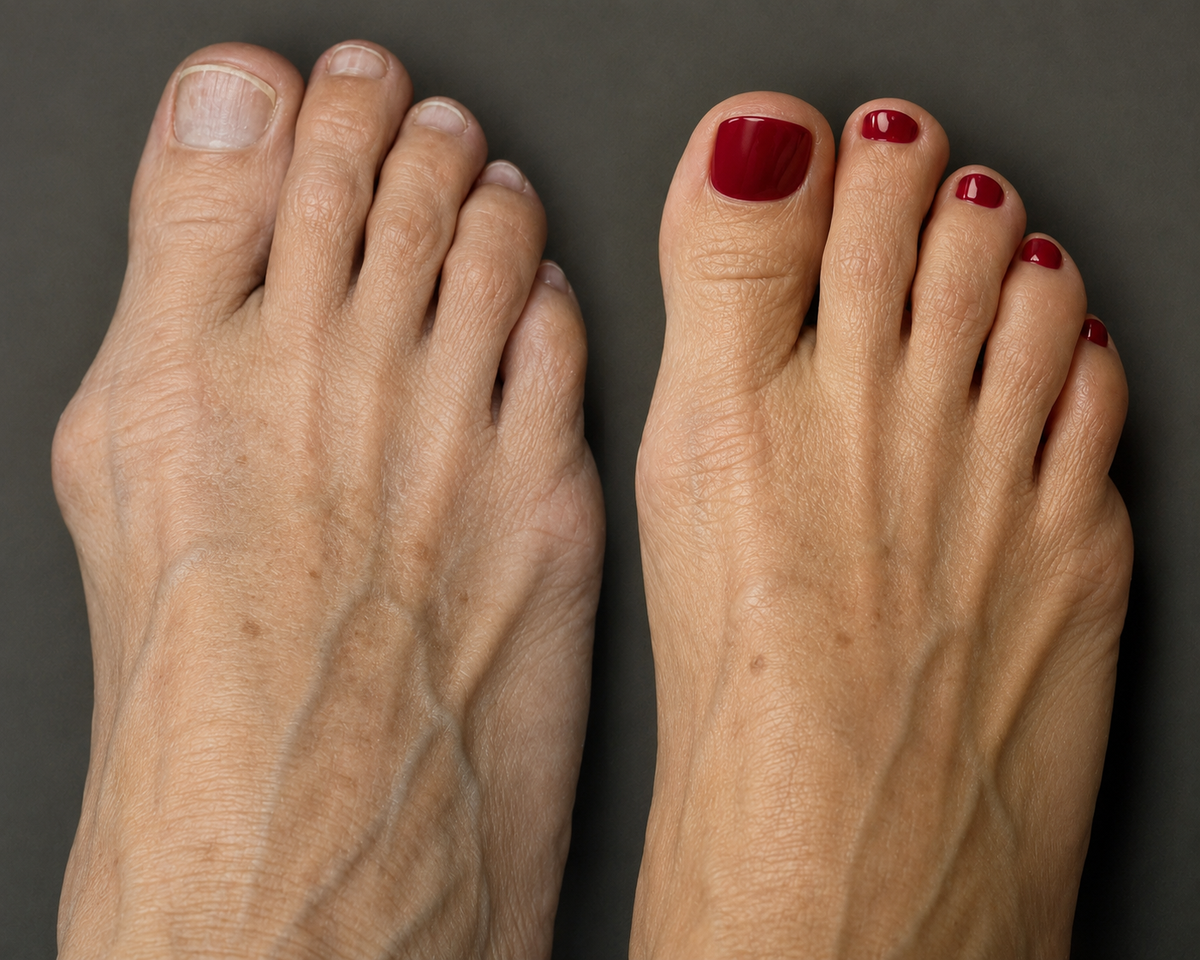
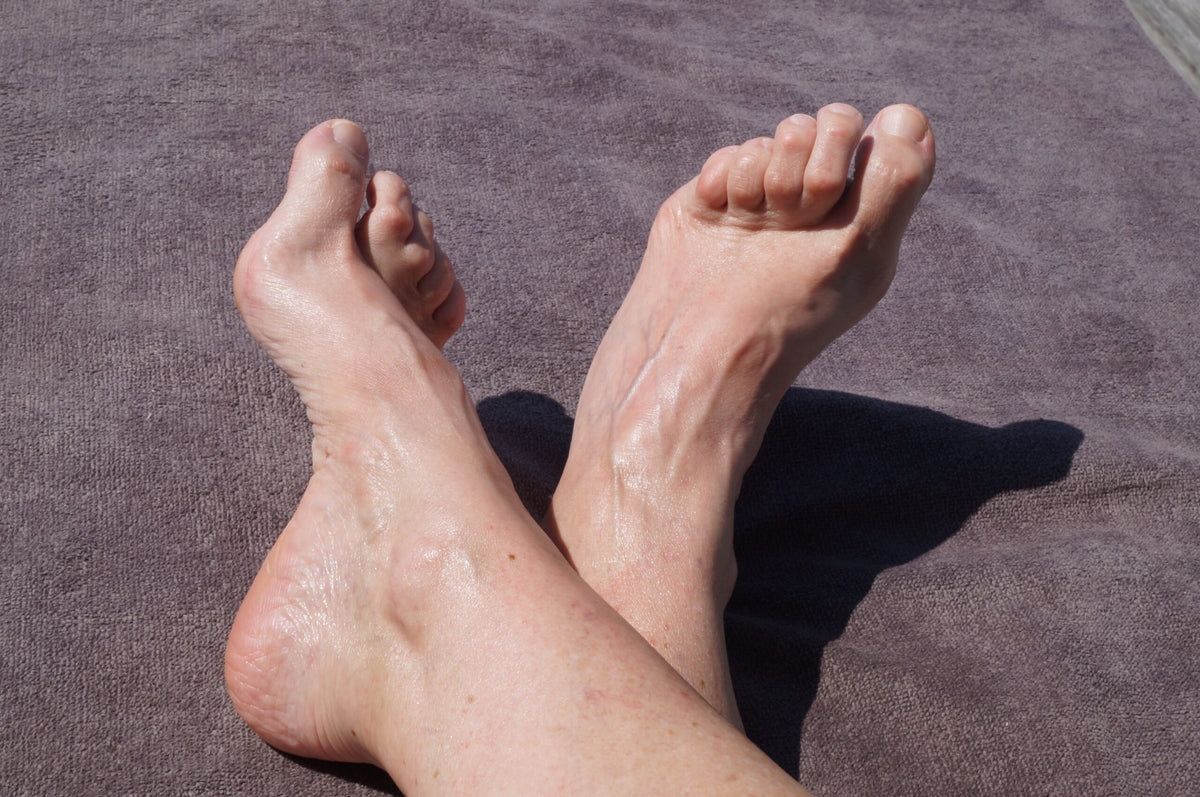
Hammer toe is a condition where the middle joint of one of your smaller toes starts bending upward, getting stuck in a buckled, hammer-like shape.
It happens because the small muscles and tendons that hold your toes in place have become imbalanced — usually after years of narrow shoes, heels, and time on your feet. The toe doesn't bend because the bone is wrong. It bends because the muscles around it have given up.
At first, it's just a niggle. Then it starts hurting when you walk. Eventually, even the comfortable shoes don't fit anymore — and the pain doesn't go away when you sit down.
That's where I was, two years ago.
What Are the Consequences of Hammer Toes?
It's tempting to think of hammer toes as a cosmetic issue. A bit ugly, a bit sore — but nothing serious.
That's exactly what I told myself for years.
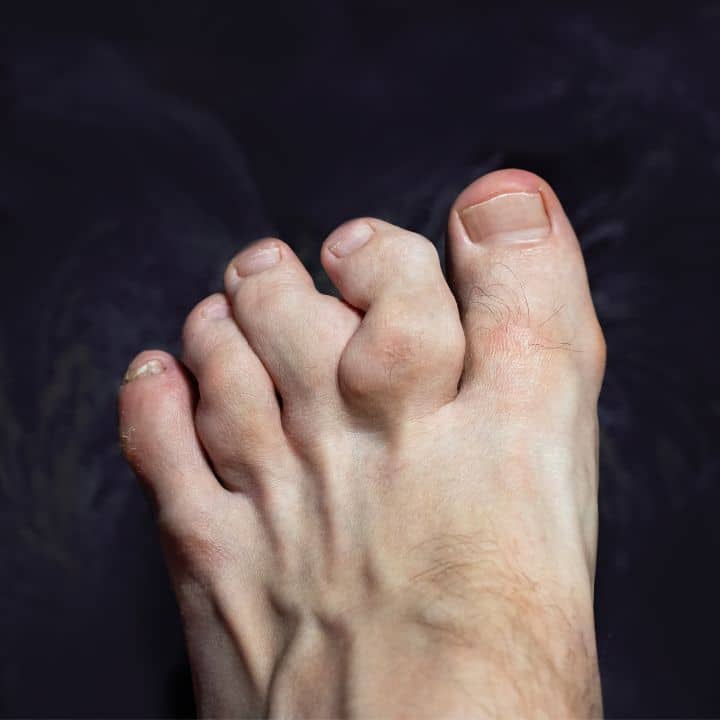
The truth is, untreated hammer toes don't stay still. They get worse. The bend deepens. The toe starts sitting on top of the next one. Calluses form. The whole structure of the foot starts to shift — and your body shifts with it.
I didn't realise it at the time, but my lower back pain, my hip stiffness, my dodgy left knee — all of it had started with my feet. By the time I figured that out, I was already on three different painkillers and avoiding the stairs.
Painful corns, calluses, arthritis, and chronic joint pain are some of the most common consequences of leaving this alone. In severe cases — particularly for women with osteoarthritis or diabetes — it can lead to ulcers and serious mobility problems.
That's why every podiatrist I saw kept pushing me toward surgery. None of them told me there was another option.
I had to find that out on my own. The hard way.
My Story
It started small, the way these things always do.
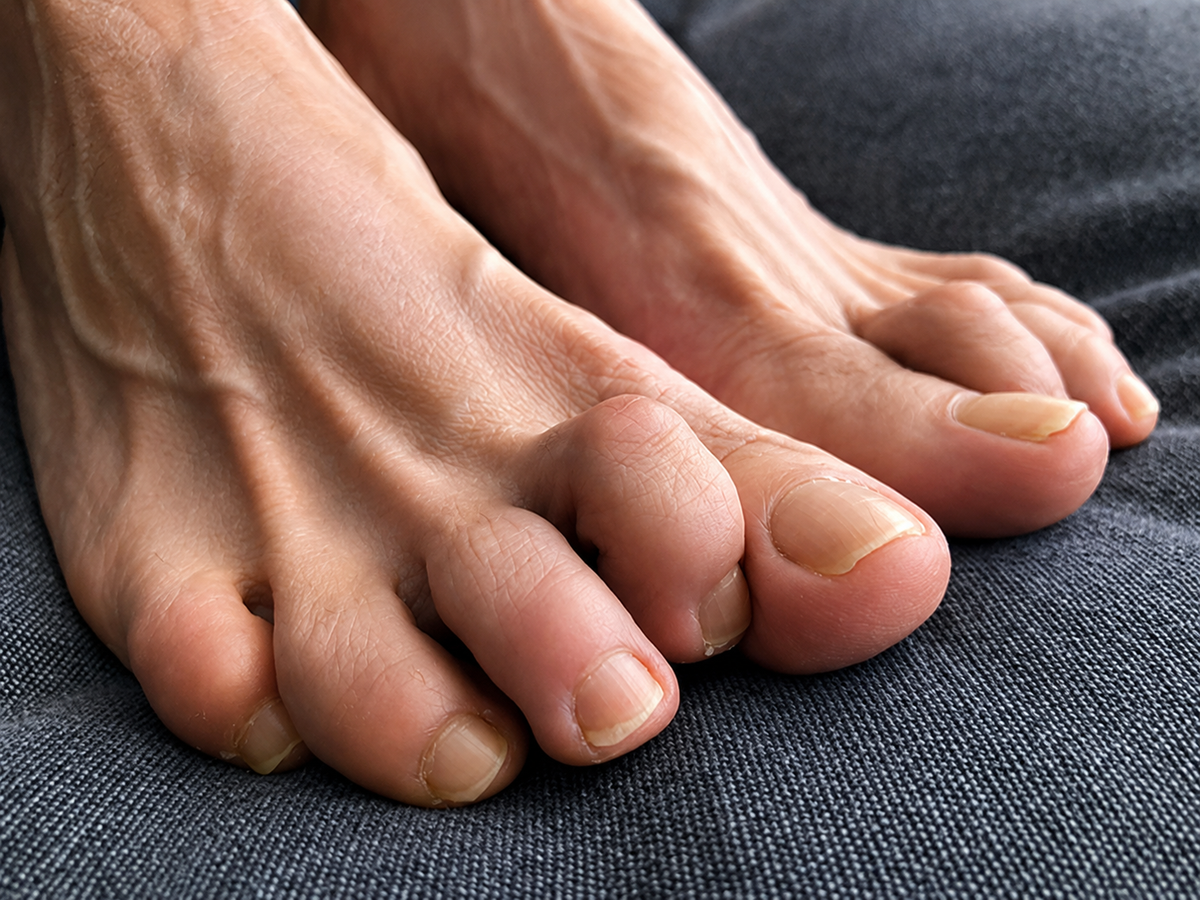
I was 53 when I first noticed it. My second toe — the one next to my big toe on my right foot — had started sitting slightly higher than the others. Just a millimetre or two. Nothing dramatic.
I'd been a school teacher for thirty-one years. Eight hours a day on my feet, in shoes that I'd convinced myself were "comfortable enough." Looking back, they weren't. But I was busy. I had two kids at home, a husband who worked shifts at the steelworks, and I wasn't about to start fussing over my feet.
Then a callus appeared on top of that second toe. Stubborn little thing. Wouldn't go away no matter what I did. The chemist gave me a tube of corn-removal cream. I used it religiously. Made no difference.
By 55, the toe had visibly bent. I started avoiding open shoes. No more thongs in summer. No more sandals at weddings. I had a wardrobe full of beautiful shoes I'd worn maybe twice each, and I started wearing the same two pairs of closed-in sneakers everywhere — the only ones that didn't make my toes feel like they were being crushed.
By 56, the pain had started showing up at night. I'd lie in bed with my foot throbbing, unable to get comfortable. Some nights I'd be up at 3am rubbing my foot in the dark, trying not to wake my husband.
I tried everything.
Chemist gel pads. Foam separators from Priceline. A pair of those overnight bunion correctors that promised the world and delivered nothing — they fell off within an hour every single night. I bought a pair of "barefoot" shoes after my niece told me about them. I tried magnesium spray. I tried apple cider vinegar foot soaks at the suggestion of a Facebook group I'd joined. I tried compression socks.
Some of it helped for a day or two. None of it lasted.
By the time I turned 57, even getting out of bed in the morning was a struggle. My feet would feel like they'd seized up overnight, and I'd have to sit on the edge of the bed for five minutes before I could put weight on them.
I started missing things. Birthday parties. Long walks at the beach with my grandkids — I've got three of them now, all under 8, all of them love the sand. I'd sit on a towel and watch my daughter chase them while my husband shrugged at me apologetically. I told everyone my back was playing up. The truth was, it was my feet.
I'd given up. Not in a dramatic way. Just quietly, the way you do when something hurts long enough — you stop trying.
Eventually I booked an appointment with a podiatrist in Newcastle. $145 for a 20-minute consult. He had a look, pressed on my toe joint, made me walk in a circle, and gave me his verdict.
"You're going to need surgery. There's nothing else for it at this stage."
I left the clinic and cried in the car park.
Hammer Toe Surgery
The surgeon I was referred to in Sydney was matter-of-fact about it.
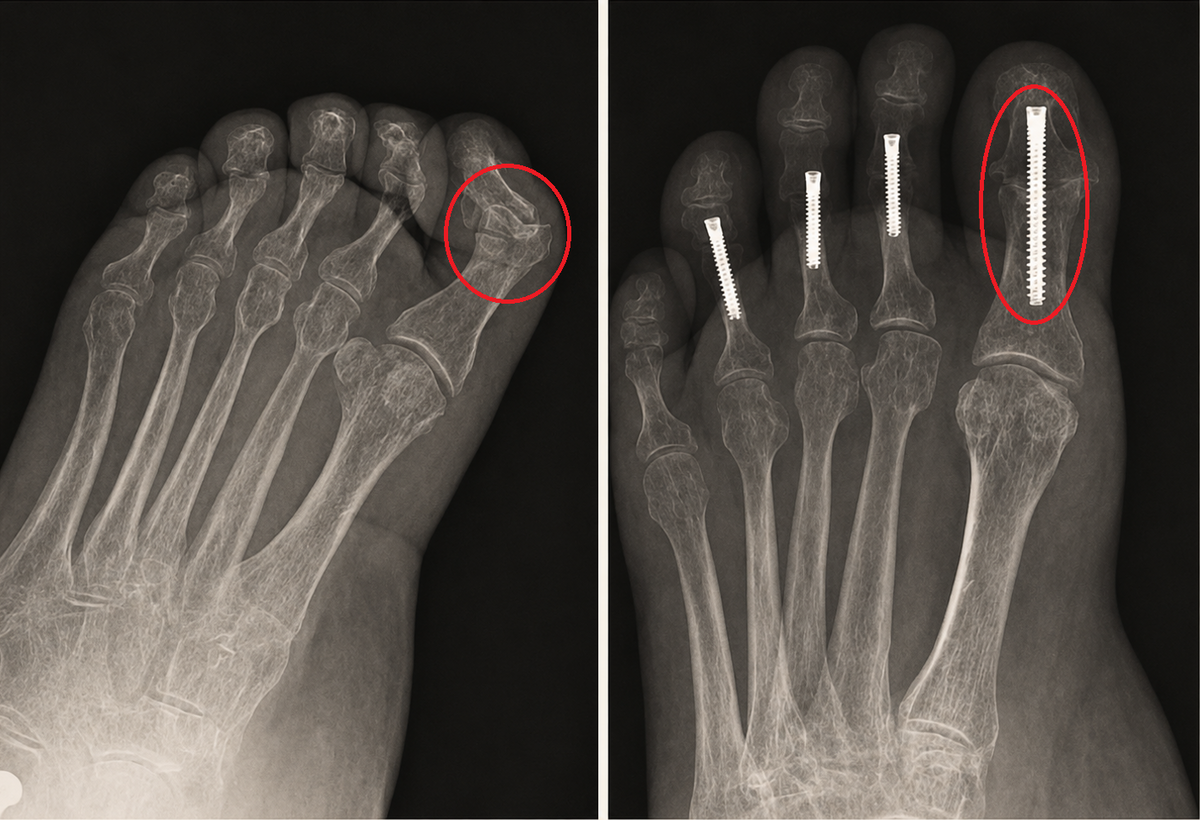
The bend in my second toe had become rigid. The joint was no longer flexible. He explained, professionally and without much warmth, that if I waited any longer, the calluses on top of the toe could break down into an open sore. With my borderline blood pressure and the fact that my mum had diabetes, that was a risk he didn't want to take.
I needed surgery. Six weeks off work. Pins inserted into the toe joints to hold them straight while the bone fused. A "moon boot" for a month. No driving for two.
The cost, going private, was just under $6,000. I was on the waiting list for the public system, but the wait was eleven months. I couldn't last that long. I went private.
I was terrified. But I told myself it would be over in a few weeks, and then I'd be back to normal. Back to thongs in summer. Back to walking the dog without limping.
I had no idea what I was actually signing up for.
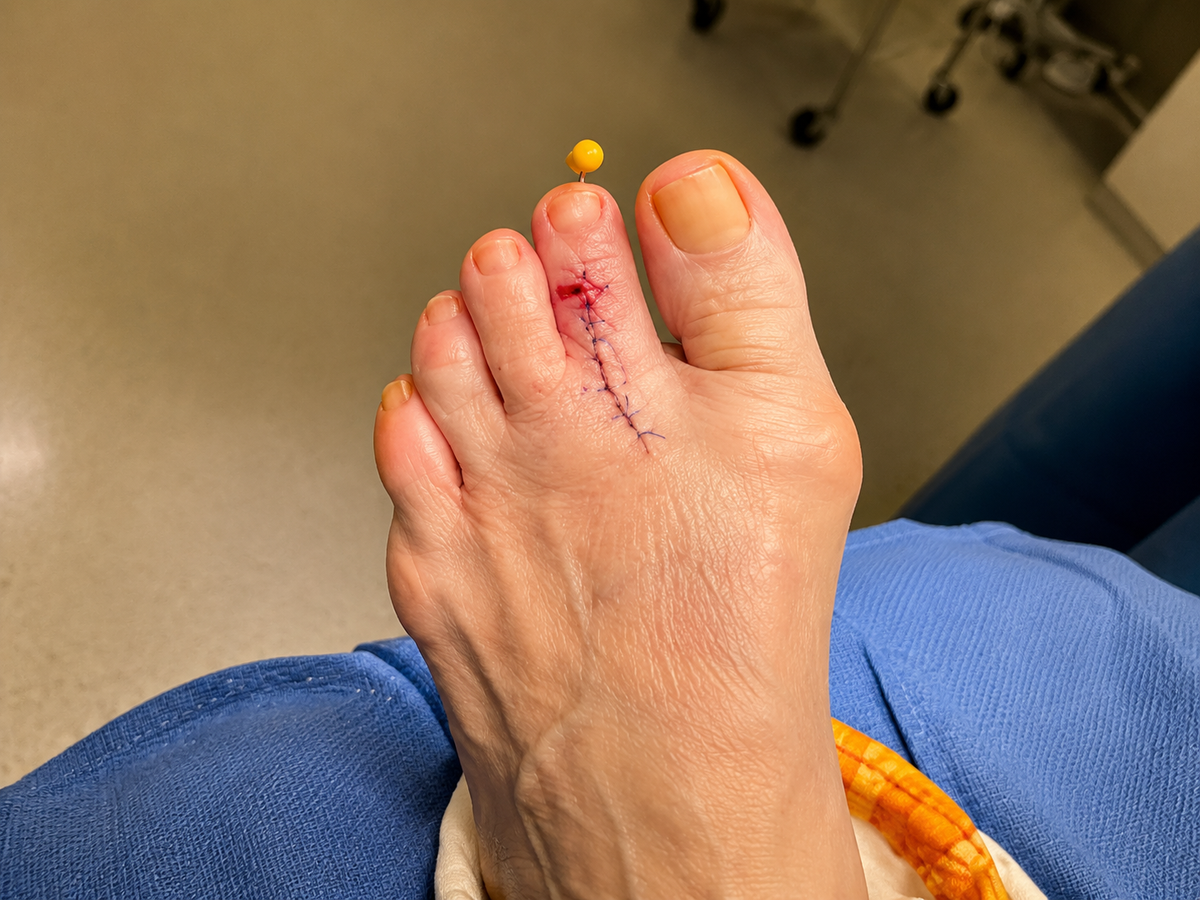
The surgery was done under general anaesthetic. I don't remember much of the procedure itself — but the recovery was brutal.
I couldn't get out of bed without help for the first three days. My husband had to carry the tea up to me. Even going to the bathroom was a production — he'd help me up, I'd hobble to the loo with one hand on the wall, and he'd wait outside the door like I was a kid again.
I felt nauseous from the anaesthetic for almost a week. I lost five kilos because I couldn't keep food down. I cried more in that first fortnight than I had in the previous five years combined — not because of the pain, exactly, but because of the helplessness. I'm a school teacher. I'm used to being in charge of a classroom of nine-year-olds. Not being able to walk to my own kitchen was something I wasn't prepared for.
The pain itself, when the painkillers wore off, was sharp and constant. Like someone had pushed a knitting needle through the side of my foot and left it there.
The Recovery Period
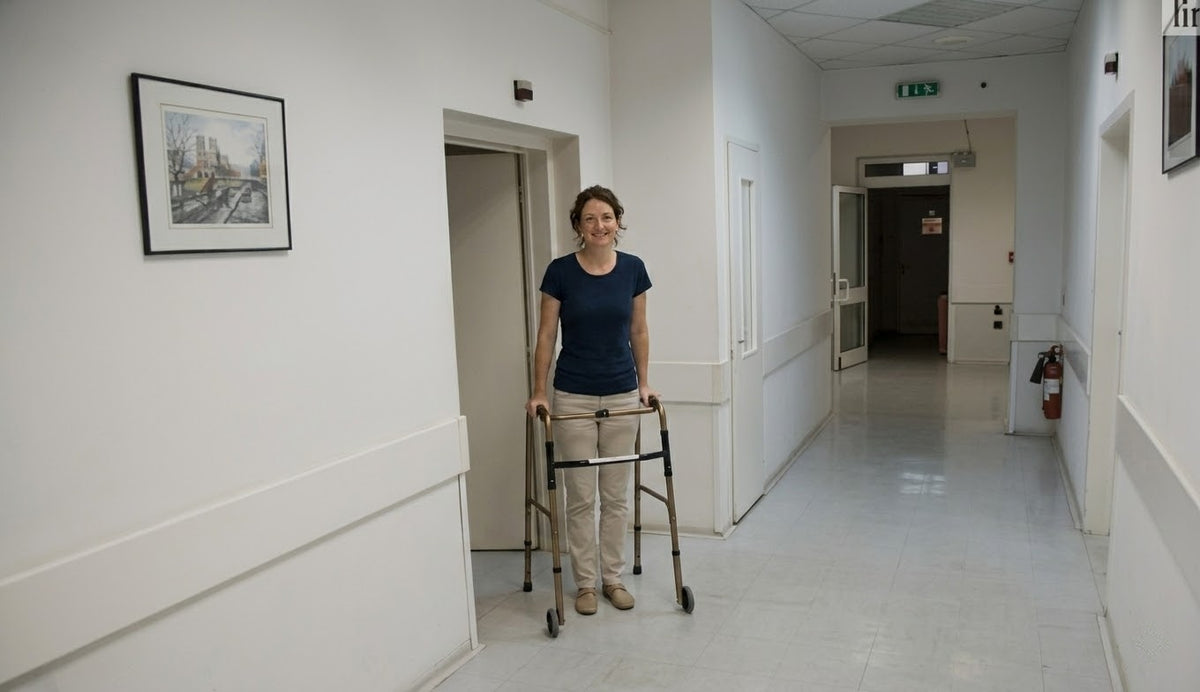
I wasn't allowed to put weight on the foot for the first ten days. After that, I could move around the house in the boot, but only short distances. Even getting to the front door felt like a marathon.
Showering was a nightmare. I had to wrap my foot in cling film, sit on a plastic stool in the shower cubicle, and try not to slip. My husband stood outside the door each time, ready to come in if I called out. He never complained. I felt terrible about it anyway.
I had six weeks off work. Six weeks of daytime television, knitting, and trying to read books I couldn't concentrate on because the painkillers made everything hazy. My grandkids came to visit once a week. They wanted me to play with them. I couldn't.
At the four-week mark, I got fitted for a special orthopaedic shoe to wear once the moon boot came off. It was heavy, squashy, and made me walk with a limp. I wore it for another five weeks.
The surgeon had told me I'd be "back to normal" by 12 weeks.
That turned out to be a lie. One of many.
After the Surgery
By the three-month mark, the worst of the pain had eased. I started to feel hopeful. The toe was straighter — not perfectly straight, but better than it had been in years.
For about three months, I let myself believe it had worked.
Then, around the six-month mark, the pain started coming back. Subtle at first. A bit of stiffness in the morning. A familiar ache by the end of the day.
I tried to ignore it. I told myself it was just the weather. Just the seasons changing. Just me being paranoid.
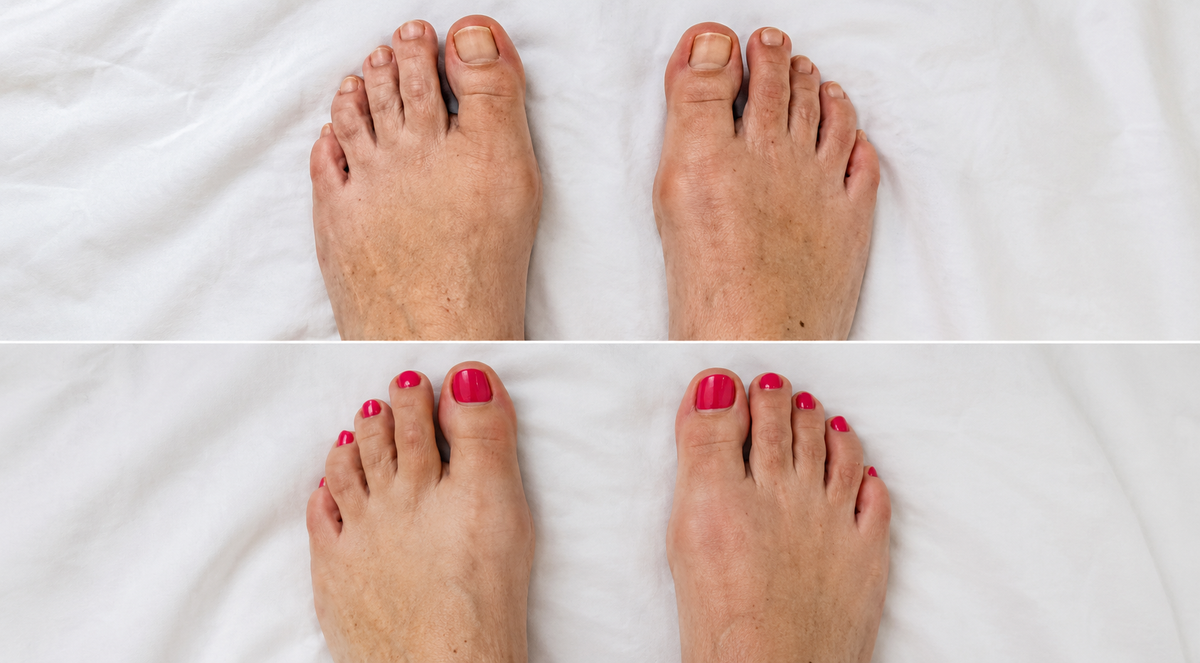
By the nine-month mark, the bend was back. Not as bad as it had been before — but visible. And the pain was back too.
I went back to the surgeon. He looked at my foot, pressed on it, made the same noises he'd made before the operation. Then he shrugged.
"These things can come back. It's not uncommon. If you go back to your old habits — the wrong shoes, standing too long — the deformity can return. We can do another surgery in a couple of years if it gets worse again."
I sat in his consulting room and felt the floor drop out from under me.
I'd spent $6,000. I'd taken six weeks off work. I'd put my husband through hell. I'd missed my granddaughter's fourth birthday party because I was bedridden. And the problem had come back inside a year.
Was I going to be doing this every two years for the rest of my life?
What Your Podiatrist Won't Tell You
I drove home from that appointment in a daze. I had to pull over at a servo on the M1 because my hands were shaking too much to keep driving.
While I was sitting in the car, trying to calm down, a woman tapped on my window. She must have been in her late sixties — silver hair, kind eyes, a Coles bag in her hand. She'd seen me crying and asked if I was alright.
I'm not normally the type to spill my guts to strangers. But I was exhausted, and she was patient, and within ten minutes I'd told her everything. The surgery. The recurrence. The cost. The shrug.
It turned out she'd been a podiatrist for nearly forty years before she retired. Worked in private practice in Brisbane, then moved down to the Central Coast to be closer to her kids.
She listened. Then she said something I haven't been able to stop thinking about since.
"Sarah, love. In nearly forty years of practice, I watched the industry change. We used to recommend conservative treatments first — splints, separators, exercises, footwear changes. Surgery was the last resort. Now it's often the first thing offered."
She told me the reality of how a lot of podiatry clinics in Australia work now.
A consult costs $120 to $180. That money pays the practitioner, the rent, the equipment, the receptionist. Most podiatrists are decent people doing decent work — but the system pushes them toward selling.
Custom orthotics, at $400 to $800 a pair, are the bread and butter. The repeat consults — every three months for adjustments — are where the recurring revenue comes from. And surgery referrals, while not directly paid for, build long-term relationships with surgeons who refer patients back.
A $20 silicone toe separator that someone can buy online, wear at home, and never come back for? "There's no incentive to recommend it, love. Even though we know it works for early-to-moderate cases. There's just no money in it."
She wasn't bitter about it. She was matter-of-fact. "It's not corruption. It's just how the system is structured now. The good ones still recommend the simple stuff. But you have to know to ask."
Then she told me about something a colleague of hers had been quietly recommending for years.
If Not Surgery — Then What?
Dr Helen — that was her name, Dr Helen Walsh — told me about a silicone realigner that worked on a principle most chemist gel pads miss entirely.
Most foot products treat hammer toes like a positional problem. They cushion the joint. They separate the toes. They give you temporary relief. But the moment you take them off, the toe goes back to where it was.
That's because they're not addressing the root cause: muscle imbalance.
The reason your toe is bending in the first place is that the small stabilising muscles around the joint have weakened over years of pressure. The tendons have tightened. The whole system is pulling the joint into a buckled position.
You can't fix muscle imbalance with a gel pad. You have to retrain the muscles.
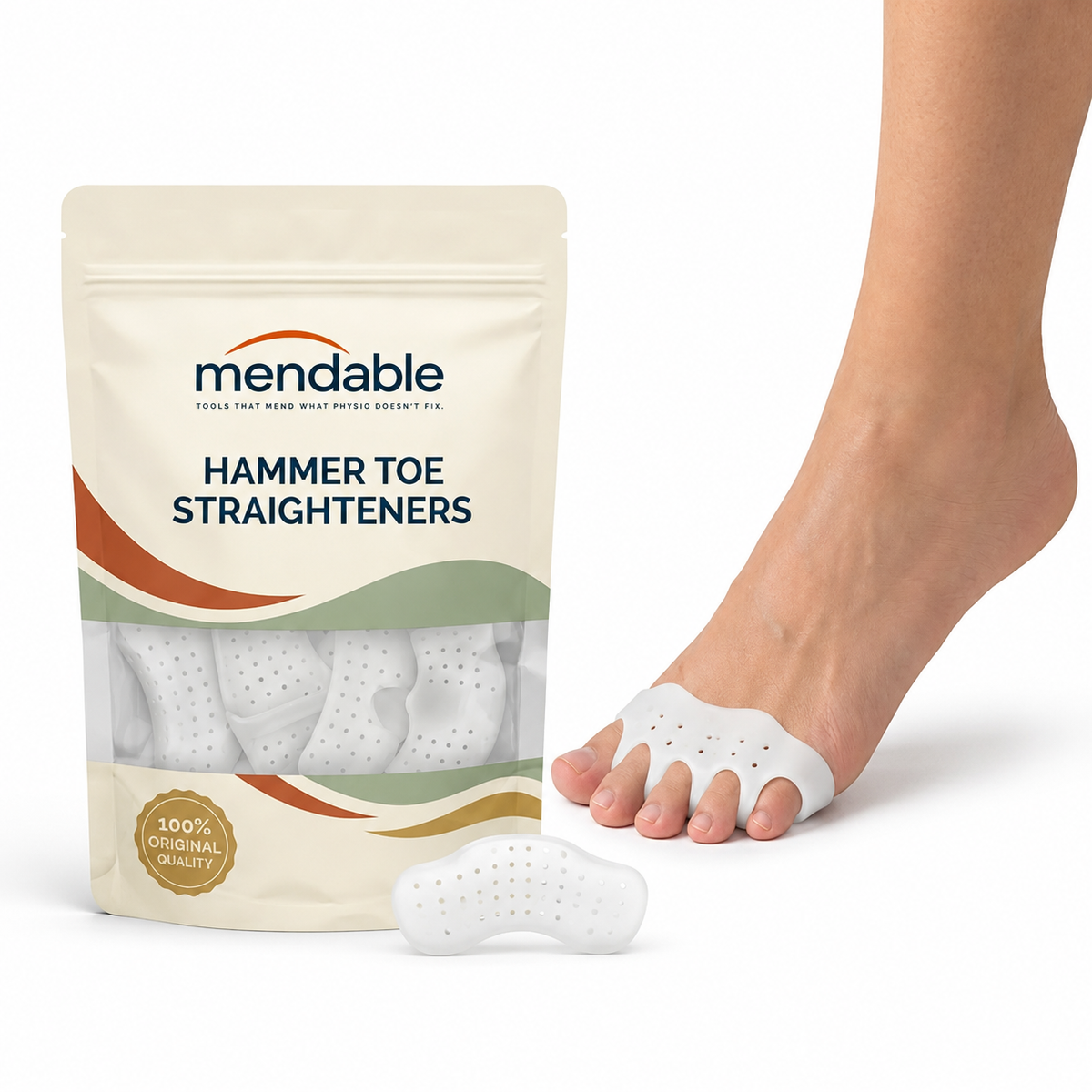
The realigner — she pointed me to a small Australian-owned brand called Mendable — works by gently holding each toe in its natural resting position while the foot relaxes. Worn 30 minutes a day, it allows the weakened muscles to slowly retrain themselves to hold the toes there on their own.
It's not a cure. It's not magic. But it works on the actual mechanism causing the problem — not just the symptom.
Dr Helen said she'd been quietly recommending it to friends and family for over a year. "It's the kind of thing I would've recommended in clinic if I'd still been practising. The retired ones aren't tied to the same incentives."
She'd seen women in their 60s with mild-to-moderate hammer toes get visible improvement within 6 to 8 weeks. Women who'd been told they needed surgery, avoiding it altogether.
I went home and ordered a pair that same evening.
Recovery
The pair arrived at my door four days later. Soft silicone, slightly springy, with a small loop that anchors over the big toe and dividers for the other four.
The first time I put them on, it felt strange. Not painful — just different. Like my toes were sitting in positions they hadn't been in for years. Dr Helen had warned me about this. "Start with 15 to 20 minutes. Don't overdo it the first week."
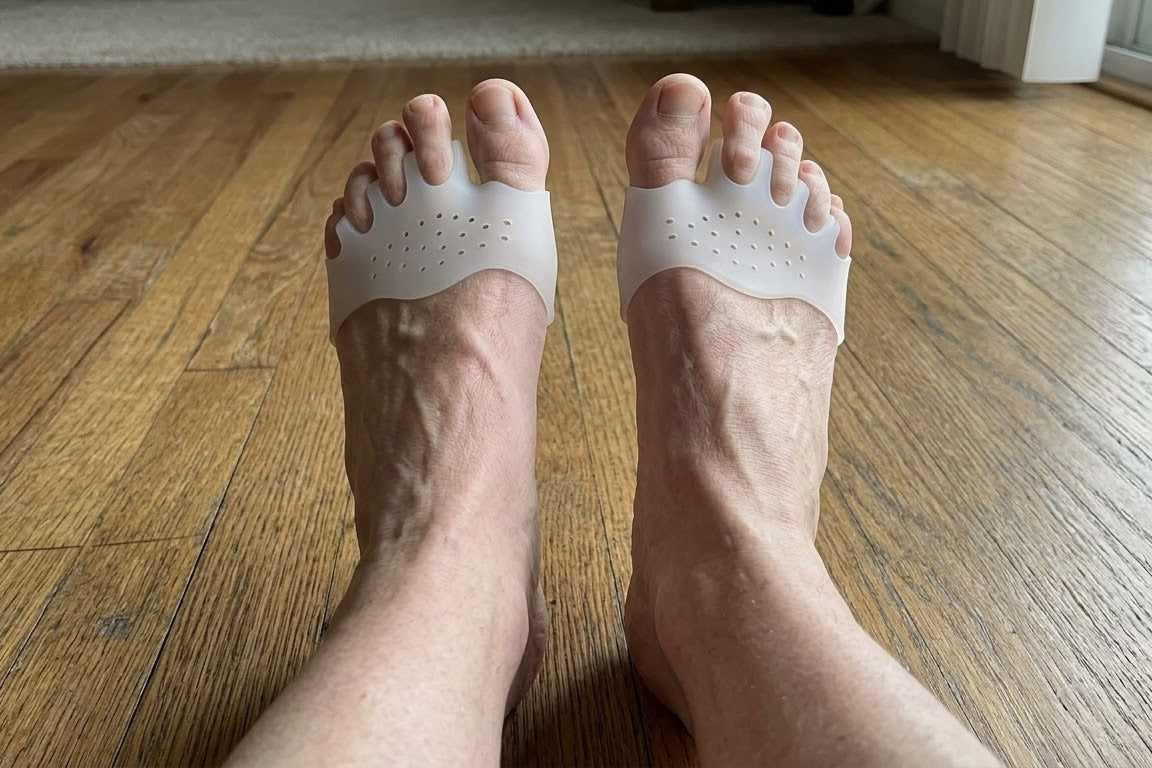
By the end of week one, I noticed something I hadn't expected. The dull ache I'd been carrying around since the surgery — the one that the painkillers only just kept at bay — had started to ease. Not gone. Just quieter.
By week two, I'd worked up to 30 minutes a day. I'd wear them after dinner while I watched the news. Sometimes I'd fall asleep on the couch with them on and wake up to find I'd had them in for two hours.
By week four, the morning stiffness was almost gone. I could get out of bed and walk to the kitchen without that five-minute warm-up period.
By week eight — about two months in — the toe had visibly shifted. It still wasn't perfectly straight. But it was noticeably more aligned than it had been since before the surgery.
By month six, I was wearing thongs again for the first time in years.
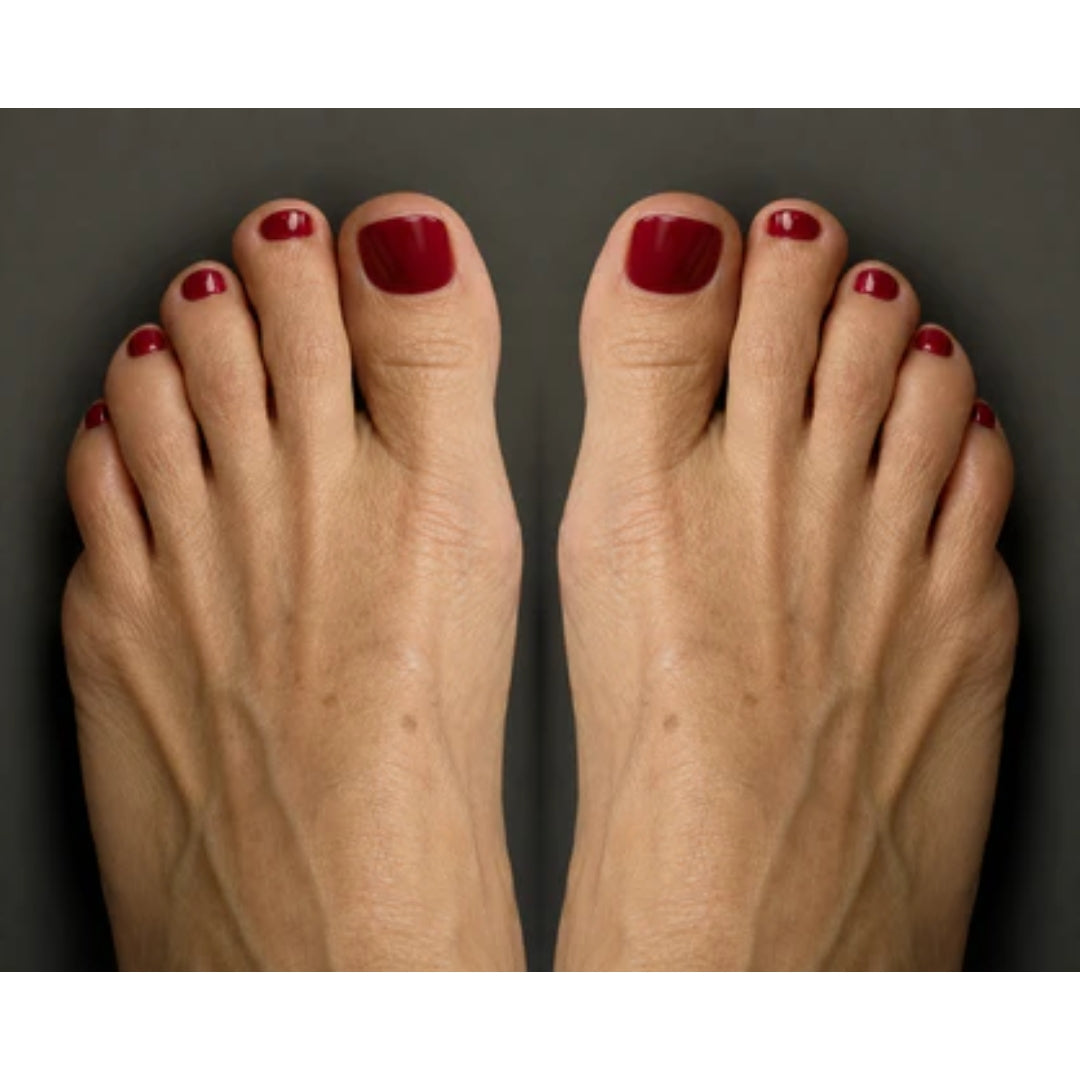
I'm not going to tell you my toes look like a 25-year-old's. They don't. The years of damage are still there. But they sit in their natural position now. The pain that used to wake me up at night is gone. The morning stiffness is gone. I walked the entire length of Stockton Beach with my grandkids last summer, barefoot for most of it, and slept like a baby that night.
I think about Dr Helen often. I never saw her again after that day at the servo. I don't even know if Walsh was her real surname — I was too rattled to ask properly. But she saved me from going under the knife a second time. She saved my marriage from another six weeks of me being a burden. She saved me thousands of dollars and months of pain.
The least I can do is pass it on.
Where Can You Get Mendable?
If you're dealing with hammer toes, bunions, overlapping toes, or any of the early signs I described at the start of this article — please don't wait the way I did.
You can order Mendable Toe Realigners directly from the official Australian website. They ship from a warehouse on the Central Coast and arrive in 3 to 5 business days.
There's a launch promotion running at the moment with up to 50% off when you order more than one pair — I bought four pairs in the end, one for me, one to keep clean while the others wash, one for my sister, and one for my mum.
It's not a magic fix. It takes consistency — 30 minutes a day, every day. But compared to surgery? Compared to $6,000 and six weeks of your life? It's nothing.
Wishing you healing and comfort.
— Sarah
Order Now — Save Up to 50%
Don't miss out on this limited-time launch offer. Free Australian shipping on orders of 3 pairs or more.
Comments